Dental veneers can create a noticeably brighter, more even, and better-balanced smile by covering the front surface of visible teeth. The best dental veneers before and after results look natural, address specific concerns like color or shape, and are planned around your enamel, bite, gum health, and long-term goals.
If you want to improve tooth color, shape, or small gaps, veneers can make those changes in a focused, natural-looking way. Simply Veneers in Newport Beach, CA helps patients understand what veneers can realistically improve so they can choose a smile design that fits their goals.
Veneers are thin shells bonded to the front of teeth, usually the teeth most visible when you smile. They are commonly used to improve discoloration that does not respond well to whitening, small chips, mild wear, uneven edges, irregular shapes, and small gaps.
Many before-and-after cases involve several small cosmetic issues rather than one major problem. After treatment, teeth may look more consistent in shade, width, length, and symmetry, with contours designed to fit the lips, gums, face, and surrounding teeth.
Veneers do not treat decay, gum disease, infection, or major bite problems. Oral health issues should be treated first, and significant crowding or bite concerns may be better managed with orthodontic treatment.
Porcelain veneers are custom restorations made in a dental laboratory. They are known for strong stain resistance, lifelike translucency, and precise control over shape, but they usually cost more and often require at least two visits.
Composite veneers are shaped directly on the teeth with tooth-colored resin, often in one appointment. They may require less tooth alteration and can be easier to repair, but they usually stain, chip, and lose polish sooner than porcelain.
|
Feature |
Porcelain Veneers |
Composite Veneers |
|---|---|---|
|
Appearance |
Highly lifelike and color-stable |
Natural-looking, but polish may change over time |
|
Tooth preparation |
Often requires some enamel removal |
May require little or no enamel removal |
|
Typical longevity |
Often 10 to 15 years or longer with good care |
Often about 5 to 7 years, with wide variation |
|
Repair |
May require replacement if fractured |
Often repairable with additional resin |
|
Cost |
Usually higher |
Usually lower |
These time frames are estimates, not guarantees. For more detail on how long veneers last, it also helps to review published veneer survival rates.
Longevity depends on more than material alone. Grinding, clenching, oral hygiene, gum changes, biting hard objects, and the amount of healthy enamel available for bonding can all affect how long veneers hold up.
Professional whitening may be the more conservative choice when color is the main concern and tooth shape is already acceptable. Whitening can brighten natural enamel, but it does not change tooth contour, spacing, or alignment, and existing dental work will not whiten with the surrounding teeth.
Orthodontic treatment can move crowded, rotated, or widely spaced teeth without covering them. It usually takes longer than veneers, but it may preserve more natural tooth structure and improve the bite rather than only changing appearance.
Dental bonding can help with isolated chips, narrow gaps, or uneven edges with less preparation and a lower initial cost. Read more about bonding vs. veneers if you are comparing those two options closely.
Crowns cover the full visible portion of a tooth and may be more appropriate when a tooth is heavily filled, cracked, or structurally weak. They usually require more tooth reduction than veneers.
The first visit usually includes an exam, photos, digital scans or impressions, and sometimes X-rays. Your dentist reviews the teeth, gums, enamel, bite, and cosmetic goals, then explains whether whitening, bonding, orthodontics, veneers, or a combination makes the most sense.
For porcelain veneers, a small amount of enamel is often removed to create room for a natural-looking fit. Local anesthetic may be used, temporary veneers may be placed, and mild sensitivity or gum tenderness can happen for a few days afterward.
At the bonding visit, the dentist checks the fit, color, shape, and bite before placing the veneers. Your teeth may feel slightly different at first, but most patients adjust quickly after minor refinements.
Veneers can deliver dramatic cosmetic improvement, but they are durable rather than permanent. In many traditional cases, the process is not reversible because some enamel has been removed.
A veneer may eventually need polishing, repair, rebonding, or replacement. The tooth underneath can still develop decay near the edges, especially if home care or routine dental visits are neglected.
Brush twice daily with fluoride toothpaste, clean between the teeth every day, and keep regular dental checkups to protect the teeth and gums supporting the veneers. Avoid chewing ice, biting fingernails, or using veneered teeth to open packages, and ask about a nightguard if you clench or grind.
If a veneer feels loose, cracks, or changes the way your teeth meet, contact a dentist promptly. Severe or worsening pain, facial swelling, fever, pus, or trouble swallowing or breathing needs urgent evaluation, and breathing or swallowing difficulty requires emergency care.
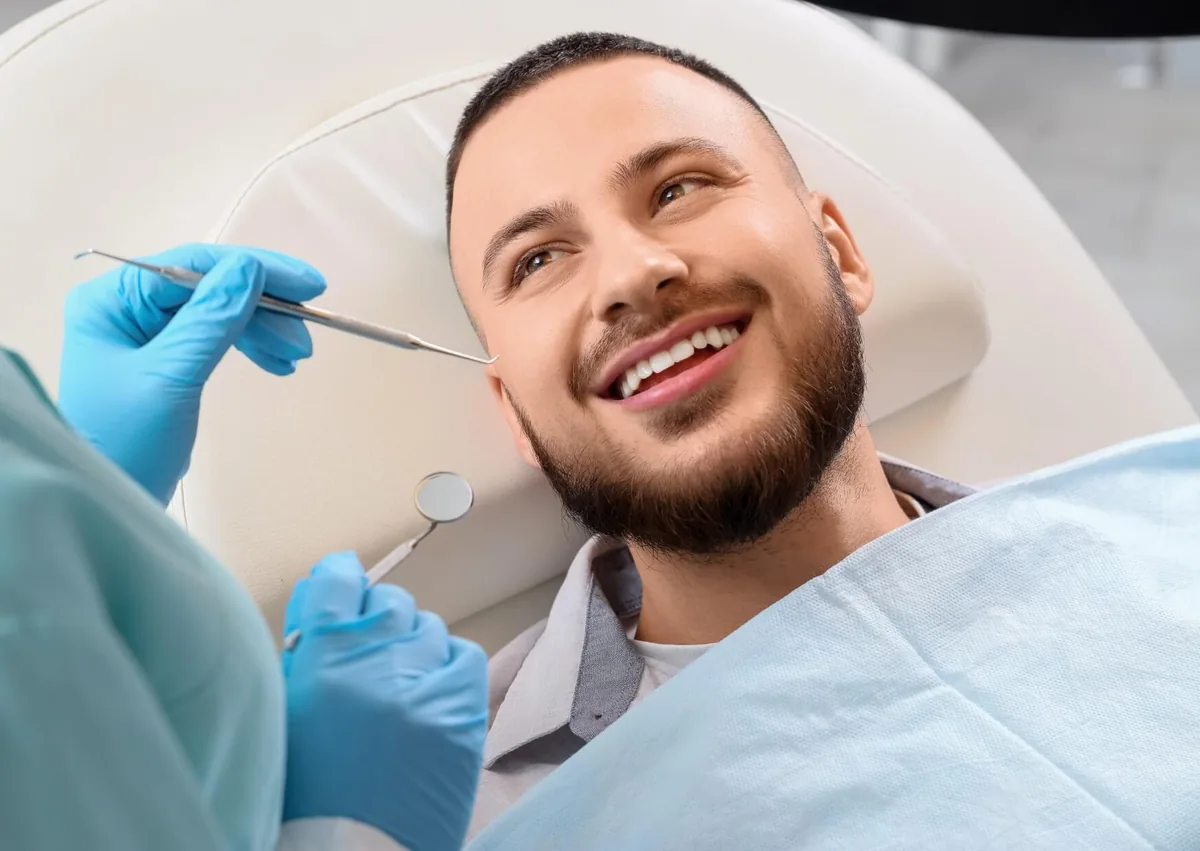
A good candidate usually has healthy teeth and gums, enough sound enamel for reliable bonding, realistic expectations, and a bite that will not place excessive force on the restorations.
Veneers may not be the best choice, or may require added planning, if you have active decay, gum disease, severe enamel loss, major misalignment, uncontrolled grinding, or limited tooth structure.
Before-and-after photos can be helpful for discussing preferences, but they are not a guarantee of identical results. Lighting, camera angle, lip position, image editing, and differences in facial structure can all change how a smile appears in photos.
It makes sense to schedule a cosmetic consultation when you want to improve tooth color, proportions, edges, or small spaces and want to compare veneers with more conservative options.
A dentist can evaluate your bite and tooth structure, show a digital preview or smile tryout when available, and explain likely maintenance, risks, alternatives, and costs before treatment starts.
If you are considering more than one cosmetic change, a smile makeover can combine veneers with whitening or other treatments in a coordinated plan.
A short consultation or smile tryout can clarify whether veneers will achieve the changes you want. Call Simply Veneers to discuss veneers in Newport Beach, CA, serving Huntington Beach and nearby areas, at (949) 777-1000.
They can look very natural when shade, translucency, surface texture, edge shape, and tooth proportions are planned carefully. A result that is too opaque or uniformly bright may look less lifelike, so it helps to discuss whether you want a subtle or more dramatic change.
Many porcelain veneers require removal of a thin layer of enamel, although the amount varies by tooth and by the change being made. No-prep or minimal-prep veneers can work in selected cases, but they may look bulky if there is not enough space.
Porcelain resists staining better than natural teeth and composite resin, but surface buildup can still collect over time. Composite veneers are more likely to discolor, especially with frequent exposure to coffee, tea, tobacco, or other staining habits.
Veneers can visually mask mild rotation or unevenness; learn more about whether they can fix crooked teeth. They do not move teeth or correct the underlying bite, so orthodontic treatment may be safer and more conservative for moderate to severe misalignment.
When enamel preparation is needed, treatment is usually done with local anesthetic, so discomfort during the procedure is often limited. Mild sensitivity or gum soreness can happen afterward, but persistent or worsening pain should be checked by a dentist.




